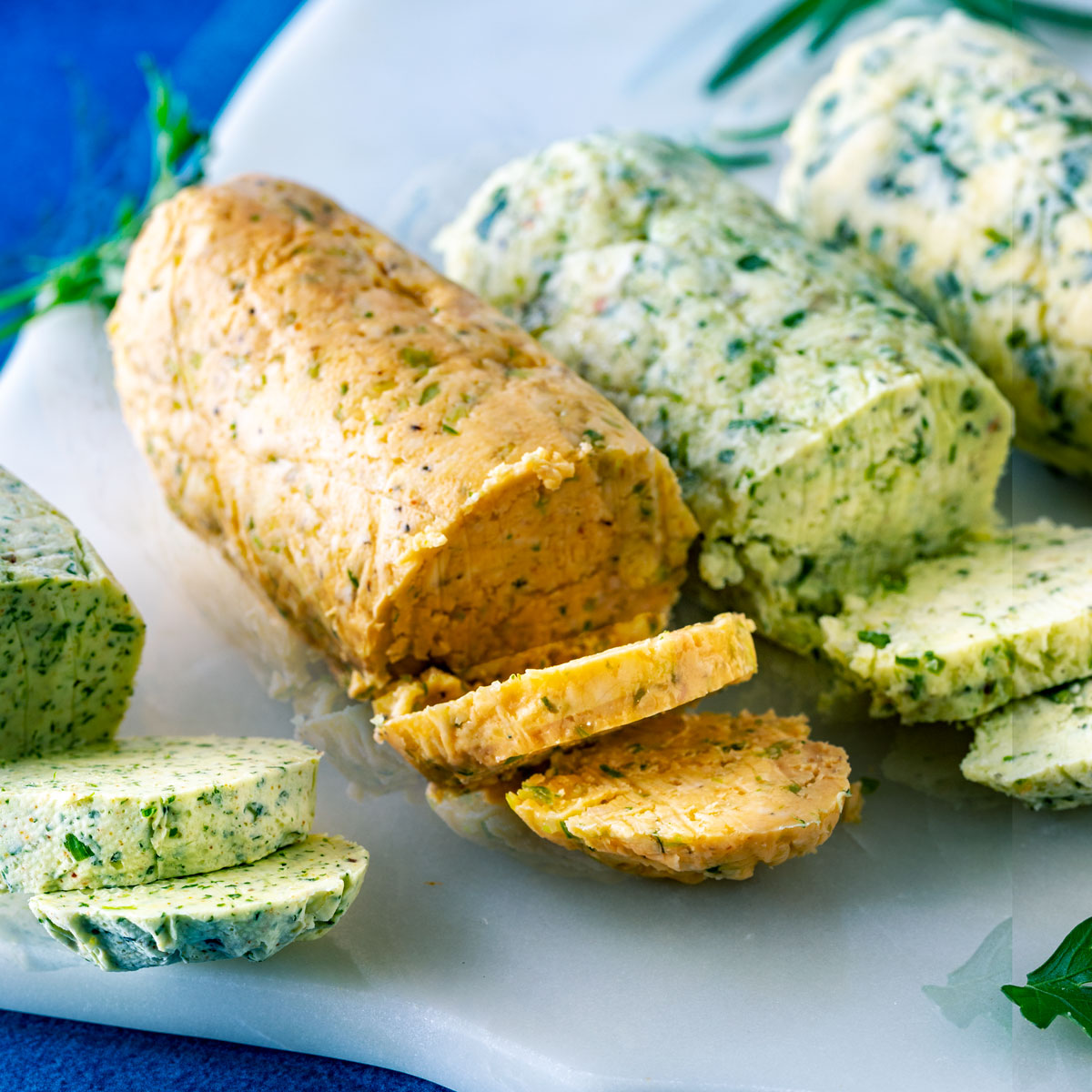
Unlock Culinary Magic with Homemade Compound Butter
Imagine transforming an ordinary meal into an extraordinary culinary experience with just a few simple ingredients and a handful of minutes. That's the power of
homemade compound butter. Also known as "beurre composé," this flavored butter is a secret weapon in many professional kitchens, yet it's incredibly easy to prepare in your own home. It’s a delightful way to infuse rich, nuanced flavors into a vast array of dishes, from a perfectly seared steak to a simple slice of toasted bread. The beauty of making your own is the complete control you gain over ingredients, ensuring peak freshness and allowing for endless customization to suit your palate. Say goodbye to bland and hello to a burst of vibrant taste that will elevate your cooking to new heights.
Why Homemade Compound Butter is a Game-Changer
The allure of
homemade compound butter lies not just in its exquisite taste, but also in its remarkable versatility and simplicity. While store-bought options exist, they often lack the brightness and depth of flavor that comes from fresh, high-quality ingredients you select yourself. Think about the difference fresh garlic and herbs make compared to their dried counterparts; this distinction is amplified in a compound butter. Making it yourself means you can adjust salt levels, experiment with herb combinations, and even incorporate unexpected elements like roasted garlic or sun-dried tomatoes. It’s also a fantastic way to preserve the bounty of summer herbs, allowing you to enjoy their fresh taste long after the growing season has ended. A log of homemade herb butter, stored in the freezer, is like a little capsule of summer sunshine, ready to be deployed whenever your dishes need a lift. The process is so quick – often just five minutes of active prep – that it hardly feels like cooking at all, making it an accessible luxury for any home chef.
Essential Ingredients for Your Perfect Homemade Compound Butter
The foundation of any exceptional
homemade compound butter begins with choosing the right ingredients. Each component plays a vital role in crafting a balanced and flavorful end product.
The Butter Base
Start with
real butter. While personal preference plays a part, unsalted butter is generally recommended. This allows you to control the exact amount of salt added, preventing your compound butter from becoming overly salty, especially if you plan to use it on already seasoned foods like steak. High-quality butter, perhaps a European-style butter with a higher fat content, can also contribute to a richer, more luxurious mouthfeel, though any good quality unsalted butter will yield excellent results. Remember, the butter needs to be at room temperature, soft enough to easily mix with other ingredients without resistance, but not melted.
The Fresh Flavor Infusion: Herbs and Aromatics
This is where the magic truly happens. Fresh herbs are paramount for a vibrant, bright flavor profile and appealing visual texture. Popular choices include:
- Parsley: Fresh, green, and slightly peppery.
- Chives: Mild oniony flavor, delicate and visually appealing.
- Thyme: Earthy, woody notes, pairs wonderfully with roasted meats.
- Rosemary: Pungent and piney, excellent with lamb and beef.
- Basil: Sweet, peppery, and aromatic, perfect for Italian-inspired dishes.
- Sage: Strong, savory, and slightly peppery, a classic with poultry.
- Cilantro: Bright, citrusy, and a staple in many global cuisines.
A general guideline is to use about 1/4 cup of finely chopped fresh herbs for every 1/2 cup (one stick) of butter. You can use a single herb or create delightful combinations. For instance, a classic "Garlic Herb Butter" might combine parsley, chives, and thyme.
Beyond herbs, aromatics like
garlic are crucial. Fresh garlic cloves, minced, pressed, or even roasted, add a powerful, savory kick. The sharp, pungent notes of raw garlic are often balanced beautifully by a touch of acid, such as
lemon zest. Lemon zest not only provides a bright, sweet-sour pop but also enhances the overall freshness of the butter, cutting through its richness. Don't underestimate the impact of just a small amount!
Finishing Touches and Creative Additions
To complete your compound butter, a good quality
unrefined sea salt added to taste is essential. It brings out all the flavors. For those looking to experiment, consider:
- Sun-dried tomatoes: Finely chopped, they add a concentrated sweet and savory umami depth.
- Shallots: Minced very finely for a subtle oniony sweetness.
- Chili flakes: For a touch of heat.
- Smoked paprika: To add warmth and a smoky undertone.
The possibilities are truly endless, allowing you to tailor your
homemade compound butter to any dish or season.
Mastering the Art of Making Homemade Compound Butter
Creating your own
homemade compound butter is a straightforward process that yields incredibly rewarding results. Follow these simple steps to ensure a perfect batch every time.
Step 1: Soften Your Butter
The absolute first step is to set your unsalted butter out at room temperature for at least an hour or two. This is crucial. If the butter is too cold and hard, it will be incredibly difficult to incorporate the herbs and other ingredients evenly. You'll end up with a clumpy, uneven mixture. The goal is a pliable, spreadable consistency that still holds its shape.
Step 2: Prepare Your Flavorings
While your butter softens, prepare your chosen herbs and aromatics.
- Chop your herbs finely: This is important for even distribution throughout the butter and ensures you don't get large, overwhelming chunks in any single bite. A sharp knife or even a food processor (pulsed gently) works well here.
- Mince garlic and zest lemon: Use a garlic press or finely mince your garlic cloves. For lemon zest, use a microplane grater to get only the bright yellow part, avoiding the bitter white pith.
- Any other additions: Finely chop sun-dried tomatoes or other solid ingredients.
Step 3: Combine and Mix
Once your butter is perfectly softened, transfer it to a small mixing bowl. Add all your prepared herbs, garlic, lemon zest, and any other spices or additions. Now, thoroughly combine everything. You can use a fork, a spatula, or even a hand mixer on a low setting for a truly homogenous blend. Mix until all ingredients are evenly distributed and the butter takes on a consistent color and texture. Taste a small amount and adjust salt or other seasonings as needed. This is your chance to fine-tune the flavor profile.
Step 4: Shape and Chill
To create a convenient, ready-to-use log, place the herbed butter mixture in the center of a piece of wax paper, parchment paper, or plastic wrap. Roll the paper over the butter and then gently roll it back and forth, pressing from the sides to form a tight, uniform log. You can also use butter molds or even candy molds for fun, individual portions.
Once shaped, place the log of compound butter in the refrigerator for at least an hour to allow it to harden. This makes it easy to slice off portions as needed. For longer storage, wrap it tightly in another layer of plastic wrap or foil, then place it in an airtight, freezer-safe container.
Homemade compound butter can be frozen for up to six months, ready to be thawed and used whenever inspiration strikes.
Beyond the Basics: Creative Applications for Homemade Compound Butter
One of the most appealing aspects of
homemade compound butter is its incredible versatility. While it's famously a "game-changer" for steak, its applications extend far beyond, offering simple ways to elevate a wide range of dishes.
Elevating Meats and Seafood
Without a doubt, compound butter and steak are a match made in culinary heaven. A pat of garlic herb butter melting over a hot, freshly grilled or pan-seared steak adds an unparalleled richness, moisture, and depth of flavor. But don't stop there!
- Roasting Poultry: Tuck slices of compound butter under the skin of a whole chicken or turkey breast before roasting for incredibly moist, flavorful meat and crispy, aromatic skin.
- Grilled Fish: A dollop of lemon-dill compound butter on grilled salmon or cod provides a bright, fresh finish.
- Pork Chops: A sage and apple compound butter can beautifully complement pan-seared pork.
Transforming Breads and Vegetables
Compound butter is also a simple way to upgrade everyday staples:
- Garlic Bread Reinvented: Forget plain garlic powder! Spread a generous layer of garlic herb compound butter on sliced baguette or ciabatta, toast until golden, and experience garlic bread like never before.
- Dinner Rolls and Sourdough: Serve a dish of softened compound butter alongside warm dinner rolls or a crusty loaf of sourdough for an irresistible appetizer.
- Roasted Vegetables: Toss roasted potatoes, carrots, or asparagus with a pat of melted compound butter after they come out of the oven for an instant flavor boost.
- Steamed Veggies: Even simple steamed green beans or corn on the cob become gourmet with a swirl of herb butter.
Innovative Culinary Uses
Don't limit your imagination!
Homemade compound butter can be incorporated into various cooking processes:
- Finishing Sauces: Swirl a knob of compound butter into pan sauces for a luxurious sheen and concentrated flavor.
- Pasta Dishes: Melt a tablespoon into freshly cooked pasta along with a splash of pasta water for a quick, flavorful coating.
- Eggs: Use it to sauté scrambled eggs or spread it on toast for an elevated breakfast.
The beauty of having a variety of
homemade compound butter - Article 1 recipes and flavor profiles on hand means you’re always ready to add that special touch. For even more ideas and specific flavor pairings to inspire your next creation, be sure to check out
homemade compound butter - Article 3. These articles offer further insights into mastering and expanding your compound butter repertoire.
Conclusion
From its humble beginnings as softened butter to its elevated status as a flavor powerhouse,
homemade compound butter is an indispensable tool in any kitchen. It offers an effortless way to infuse depth, freshness, and complexity into countless dishes, transforming the ordinary into the extraordinary. Whether you're aiming for a decadent steak, gourmet garlic bread, or simply looking to preserve the fresh tastes of the season, making your own compound butter is a rewarding culinary adventure. Its simplicity, versatility, and sheer deliciousness make it a recipe worth mastering. So, grab some fresh herbs, quality butter, and get ready to elevate your cooking to a whole new level of flavor.