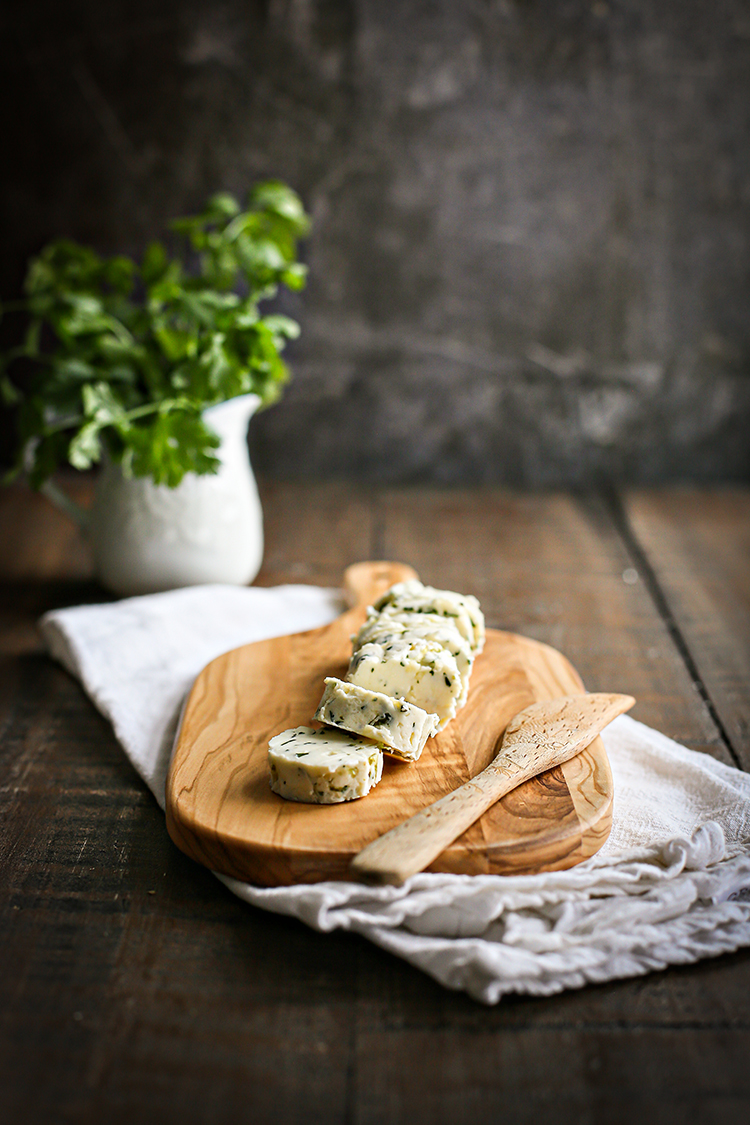
The Magic of Homemade Compound Butter: Elevate Your Everyday Cooking
Elevate your culinary creations with an incredibly simple yet profoundly impactful ingredient: homemade compound butter. Often referred to as "gourmet butter" or "herb butter," this flavorful concoction is nothing more than butter combined with various aromatic ingredients like herbs, spices, garlic, or citrus zest. In mere minutes and with just a handful of fresh ingredients, you can whip up a versatile flavor enhancer that transforms ordinary dishes into extraordinary experiences. Imagine the vibrant zing of fresh garlic, perfectly mellowed and balanced by the bright, zesty perfume of lemon. Picture a kaleidoscope of fresh herbs – parsley, chives, thyme – not only lending their aromatic charm but also painting your butter with verdant hues and a subtle, refreshing lightness. This is the power of homemade compound butter: a simple addition that delivers an immense burst of flavor and sophistication to a myriad of dishes, from a humble slice of toast to a perfectly seared steak. Its charm lies not just in its incredible taste, but also in its surprising versatility and ease of preparation, making it a beloved secret weapon for home cooks and professional chefs alike.Why Embrace Homemade Compound Butter?
- Unleash Flavor: It's a concentrated flavor bomb. A small dollop can completely change the profile of a dish.
- Remarkable Versatility: While often associated with steak, its uses are boundless – spreading, roasting, sautéing, finishing.
- Effortless Elegance: It adds a touch of gourmet flair with minimal effort, impressing guests without extra stress.
- Seasonal Preservation: For gardeners, it’s a fantastic way to preserve the bounty of summer herbs, allowing you to savor fresh flavors even in the depths of winter.
- Budget-Friendly: Making it at home is far more economical than buying specialty flavored butters.
- Customization: You have complete control over ingredients and flavor combinations, tailoring it precisely to your taste.
Crafting Your Flavor Profile: Ingredients & Inspirations
The beauty of homemade compound butter lies in its infinite possibilities. While the classic garlic-herb combination is a universally loved starting point, don't hesitate to experiment and create your own signature blends. The core components remain simple, but the variations are endless.The Foundation: Butter Choice
Always start with high-quality real butter. The butter is the canvas, so choose one with a good flavor profile. While salted butter can work, unsalted butter is highly suggested. This allows you to control the exact amount of salt added, preventing your compound butter from becoming overly salty, especially if you plan to use it on dishes that are already seasoned.
The Aromatics: Herbs, Garlic & Citrus
- Fresh Herbs: These are the stars of most compound butters. Think beyond single herbs and consider delightful combinations.
- Classic Pairings: Parsley, chives, thyme, rosemary, dill. These robust herbs stand up well to heat and add vibrant color.
- Softer Herbs: Basil, cilantro, mint. While delicious, these can sometimes oxidize and darken in butter, so they might be best for butters used more immediately or where color isn't a primary concern.
- Finely chop your herbs! This is crucial for even distribution and prevents large, unwieldy chunks in your finished butter.
- Dried Herbs: If fresh aren't available, dried herbs can be used, but remember their flavor is more concentrated. Use about one-third the amount of dried herbs compared to fresh. The flavor profile will differ, but it will still be delicious.
- Garlic: A powerful and indispensable ingredient for many.
- Fresh Garlic: Minced, pressed, or finely smashed, fresh garlic provides a sharp, pungent kick that mellows beautifully with butter.
- Roasted Garlic: For a sweeter, milder, and nuttier garlic flavor, consider making your own roasted garlic and incorporating that into your butter. It adds incredible depth.
- Lemon Zest: The bright, citrusy acidity of lemon zest is a game-changer. It cuts through the richness of the butter, balancing flavors and adding a refreshing pop. Don't underestimate its power!
Beyond the Basics: Exciting Additions
Once you've mastered the fundamentals, unleash your creativity:
- Sun-dried Tomatoes: Finely chopped, they add a rich, umami depth and a lovely reddish hue.
- Spices: A pinch of smoked paprika, a dash of chili flakes, a hint of curry powder – spices can transform your butter into something truly unique.
- Shallots or Onions: Finely minced and perhaps lightly sautéed, they offer a delicate allium flavor.
- Pepper: Freshly cracked black pepper is a must for many savory butters, adding a subtle heat and aroma.
- Wine or Liqueurs: A tiny splash of reduced wine or a complementary liqueur (like brandy for a steak butter) can add complexity, but use sparingly.
- Savory Extracts: Truffle oil or a drop of liquid smoke can create incredibly luxurious and distinct flavors.
A general guideline for proportions is to use approximately 1/4 cup of finely chopped fresh herbs (or other aromatics) per 1/2 cup (one stick) of softened butter, then add salt to taste.
Whip It Up: A Simple Guide to Making Homemade Compound Butter
Making your own flavored butter is surprisingly straightforward and requires minimal equipment. The key is patience, primarily in letting your butter reach the right consistency.Step-by-Step Instructions:
- Soften the Butter: This is perhaps the most crucial step. Set out your stick(s) of unsalted butter at room temperature for a few hours. The butter should be soft enough to easily indent with your finger, but not melted or greasy. If it's too hard, the ingredients won't combine properly; if it's too soft, the butter won't hold its shape.
- Prepare Your Aromatics: Finely chop all your selected herbs, mince your garlic, zest your lemon, or prepare any other additions. Remember, consistency is key for even flavor distribution.
- Combine Ingredients: Place the room-temperature butter in a small mixing bowl. Add all your prepared herbs, garlic, lemon zest, and any other spices or additions. Season with unrefined sea salt to taste.
- Mix Thoroughly: Using a sturdy spoon, spatula, or even a hand mixer on low speed, mix everything together until well combined. Scrape down the sides of the bowl to ensure all ingredients are incorporated evenly. The goal is to distribute the flavors throughout the butter without overmixing and incorporating too much air.
- Form into a Log: Lay out a piece of wax paper, parchment paper, or plastic wrap on a clean surface. Spoon the herbed butter mixture into the center, forming it into a rough log shape.
- Roll and Shape: Carefully lift one edge of the paper/wrap and roll it tightly over the butter, gently pressing and shaping it into a compact, even log. Twist the ends of the paper to seal, like a candy wrapper. This tight seal helps prevent freezer burn and maintains the butter's shape.
- Chill to Harden: Place the butter log in the refrigerator for at least an hour (or until firm). This solidifies the butter, making it easy to slice or store.
- Store for Later: For longer storage, you can keep the chilled butter log in an airtight, freezer-safe container or freezer bag. Homemade compound butter can be frozen for up to 6 months, allowing you to enjoy summer flavors year-round.
Pro Tip: For a more decorative touch, consider using butter molds or even candy molds to create individual servings or unique shapes. This is especially charming for dinner parties or as edible gifts.
Beyond the Steak: Unleashing the Versatility of Compound Butter
While garlic herb butter for steak is undoubtedly a match made in culinary heaven, the applications of homemade compound butter extend far beyond. Its versatility is truly one of its greatest assets.Elevate Your Meals:
- The Ultimate Steak Topping: A generous pat melting on a hot, freshly grilled or pan-seared steak is a true game-changer. It adds richness, flavor, and a glossy finish.
- Garlic Bread Reimagined: Forget plain butter! Spread your garlic herb butter generously on sliced baguette or sourdough rolls, then toast until golden.
- Roasted Chicken or Turkey: Slather it under the skin of a whole chicken or turkey breast before roasting for incredibly moist, flavorful meat with crispy, herb-infused skin.
- Vegetable Whisperer: Toss roasted vegetables (potatoes, carrots, asparagus, corn on the cob) with a dollop of melting compound butter right out of the oven. It transforms simple greens into a gourmet side.
- Pan-Seared Fish or Shrimp: Finish pan-seared scallops, salmon, or shrimp with a knob of lemon-dill butter for an instant burst of brightness.
- Breakfast Booster: Stir a tablespoon into scrambled eggs or spread on toast for an elevated start to your day.
- Pasta Perfection: Toss freshly cooked pasta with a little compound butter and a splash of pasta water for a quick, flavorful sauce.
- Compound Butter Sauces: Melt it into simple pan sauces or gravies to deepen their flavor profile.
