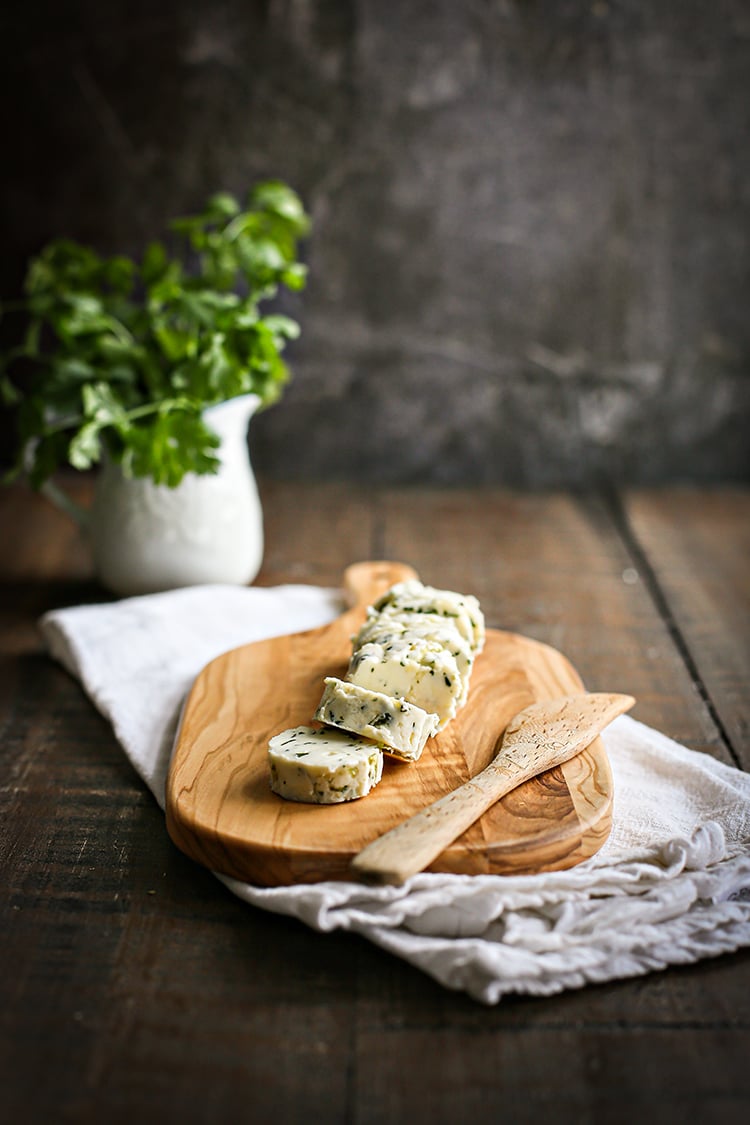
The Art of Homemade Compound Butter: A Flavor Revolution
Imagine elevating an ordinary dish to something extraordinary with just a simple addition. That’s the magic of
homemade compound butter. Also known as "beurre composé" in classical French cuisine, compound butter is essentially butter blended with various savory or sweet ingredients, creating a flavor-packed spread that can transform a multitude of meals. From a sizzling steak to a humble slice of toast, the right compound butter introduces layers of aroma, texture, and taste that a plain stick of butter simply can't match. It's a testament to the power of simple ingredients combined thoughtfully, offering a gourmet touch without the fuss.
Making your own compound butter at home is surprisingly easy, requiring minimal ingredients and just a few minutes of your time. Yet, the impact it has on your cooking is profound. It allows you to infuse your favorite dishes with fresh herbs, pungent garlic, bright citrus, or exotic spices, all preserved in the rich, creamy goodness of butter. This versatility is what makes homemade compound butter a secret weapon for home cooks and seasoned chefs alike. Whether you're aiming for the sharp, zesty kick of a garlic herb butter or a more nuanced blend, the control is entirely in your hands.
Why Make Your Own Compound Butter? The Benefits Beyond Taste
Beyond the undeniable burst of flavor, there are several compelling reasons to embrace the art of making
homemade compound butter. It's not just about creating a decadent accompaniment; it's about culinary efficiency, ingredient control, and unlocking a world of creative possibilities.
First and foremost is its incredible
versatility. While often lauded as the perfect partner for steak, homemade compound butter extends its culinary prowess far beyond red meat. It’s magnificent on grilled fish, melted over steamed or roasted vegetables, whisked into scrambled eggs, spread onto warm crusty bread, or even used to finish a pan sauce. Imagine a dollop of chili-lime butter melting over a taco or a sage-infused butter elevating your Thanksgiving turkey. For more in-depth recipes and creative pairings, check out our guide on
homemade compound butter - Article 1.
Another significant benefit, particularly for those with gardens or access to fresh seasonal produce, is
herb preservation. Summer gardens often overflow with basil, parsley, thyme, rosemary, and chives. While drying or freezing are common preservation methods, incorporating these fresh herbs into butter is a fantastic way to capture their vibrant essence. This allows you to enjoy the taste of summer sunshine even in the depths of winter. Simply pop out a pre-made log of herb butter from the freezer, and those delightful fresh flavors are yours to savor.
Furthermore, making your own compound butter gives you complete
control over the ingredients. You choose the quality of butter, the freshness of herbs, and the amount of salt. This means you can avoid unnecessary additives, adjust flavors precisely to your preference, and cater to any dietary needs. It's also often more cost-effective than purchasing artisanal flavored butters from specialty stores, giving you gourmet results on a home cook's budget.
Crafting Your Perfect Compound Butter: Ingredients and Flavor Profiles
The beauty of
homemade compound butter lies in its endless possibilities. While the core concept is simple – butter plus flavor – the choice of ingredients is where your culinary creativity truly shines.
The foundation, of course, is the butter itself.
Unsalted butter is highly recommended as it gives you complete control over the final salt content. Real, high-quality butter, perhaps a European-style butter with a higher fat content, will provide the best texture and richness. Make sure it's at room temperature; softened butter is crucial for easy and even incorporation of ingredients.
When it comes to flavorings, the world is your oyster.
- Fresh Herbs: These are the stars of many compound butters. Think bright and herbaceous like parsley, cilantro, or chives; robust and earthy like rosemary, sage, or thyme; or fragrant and slightly sweet like basil or dill. A general guideline is to use about 1/4 cup of finely chopped herbs for every 1/2 cup (one stick) of butter. You can use a single herb or a vibrant combination. Remember to chop them very finely to ensure even distribution and a pleasant texture.
- Garlic: A classic for a reason. Fresh garlic cloves add a powerful, pungent kick. You can mince it finely, use a garlic press, or even incorporate roasted garlic for a sweeter, more mellow flavor profile.
- Citrus Zest: Lemon zest, in particular, adds a wonderful bright acidity that cuts through the richness of the butter and enhances other flavors. Lime or orange zest can also offer unique twists.
- Salt: Essential for seasoning. Unrefined sea salt is often preferred for its mineral complexity, but use any good quality salt. Add it gradually and taste as you go.
- Other Additions: Don't stop there! Consider sun-dried tomatoes (finely chopped) for umami and a chewy texture, finely minced shallots for a delicate onion flavor, a pinch of chili flakes for heat, freshly ground black pepper, smoked paprika, or even a dash of finely grated Parmesan cheese. Discover additional tips for transforming your cooking with homemade compound butter - Article 2.
Experimentation is key. Start with classic combinations like garlic and parsley, or lemon and dill, and then branch out into more adventurous pairings.
Step-by-Step Guide to Making and Storing Your Homemade Compound Butter
Making
homemade compound butter is a straightforward process, but following a few simple steps will ensure a perfect, flavorful result every time.
The Preparation:
- Soften the Butter: This is the most crucial step. Set your unsalted butter out on the counter for at least 1-2 hours, or until it's pliable but not melted. If you're in a hurry, you can cut it into smaller pieces to speed up the process, or gently warm it in a microwave for a few seconds (be careful not to melt it). Room temperature butter ensures that your chosen flavorings will mix in smoothly and evenly, preventing a lumpy texture.
- Prepare Your Flavorings: Finely chop your fresh herbs, mince your garlic, zest your lemon, or prepare any other ingredients you plan to incorporate. The finer the chop, the better the flavors will distribute, and the more visually appealing your butter will be.
The Mixing:
- Combine Ingredients: Place the softened butter into a small mixing bowl. Add your finely chopped herbs, garlic, citrus zest, salt, and any other desired additions.
- Mix Thoroughly: Using a sturdy spoon, spatula, or even a hand mixer on low speed, mix everything together until well combined. Scrape down the sides of the bowl to ensure no pockets of plain butter remain. Mix until the color and ingredients are evenly distributed throughout the butter. Be careful not to overmix, which can introduce too much air.
- Taste and Adjust: This is your moment to shine! Take a small taste of your compound butter mixture. Does it need more salt? More lemon zest for brightness? A little more garlic? Adjust as needed until it perfectly suits your palate.
The Shaping and Storing:
- Form a Log: Lay out a piece of wax paper, parchment paper, or plastic wrap on a clean surface. Spoon the butter mixture onto the center of the paper, forming a rough log shape.
- Roll and Shape: Use the paper to help you roll the butter into a tight, uniform log. Twist the ends of the paper to seal it securely, much like a candy wrapper. This compact form is excellent for slicing off individual portions later. Alternatively, you could press the butter into silicone molds (like candy molds) for fun shapes, or even spread it into a small airtight container.
- Chill to Harden: Place the butter log (or molds) in the refrigerator for at least an hour to firm up. This makes it easy to slice and use.
- Long-Term Storage: For extended storage, place your wrapped butter log into an airtight, freezer-safe container or freezer bag. Label it with the flavor and date. Homemade compound butter can be frozen for up to 6 months, allowing you to enjoy summer flavors all year round.
Unleashing the Potential: Creative Ways to Use Compound Butter
Once you've mastered the art of making
homemade compound butter, the fun really begins with discovering all the ways it can enhance your cooking. This versatile ingredient is not just a topping; it's a flavor enhancer, a cooking medium, and a simple luxury.
*
Elevate Your Steak and Meats: This is arguably the most famous application. A pat of garlic herb butter melting over a perfectly seared steak, grilled chicken, or roasted pork tenderloin is a game-changer. The butter bastes the meat, infusing it with flavor and creating a luscious, rich sauce. It's also fantastic when roasting a whole chicken or a turkey breast, either rubbed under the skin or placed inside the cavity.
*
Transform Breads and Pastries: Spread softened herb butter onto warm dinner rolls, sourdough bread, or a crusty baguette for an instant upgrade. Use garlic herb butter for the ultimate garlic bread experience. It's also wonderful melted and brushed over focaccia or flatbreads before baking.
*
Brighten Vegetables: A dollop of lemon-dill butter over steamed green beans, roasted asparagus, or grilled corn on the cob brings a fresh burst of flavor. Stir it into mashed potatoes or roasted root vegetables for added richness and depth.
*
Perfect Seafood and Fish: Lemon-herb butter is particularly divine with pan-seared salmon, baked cod, or grilled shrimp. It adds moisture, flavor, and a beautiful sheen.
*
Enhance Breakfast & Brunch: Stir a tablespoon of chive and black pepper compound butter into scrambled eggs or an omelet. Use a savory butter to cook your fried eggs for an extra layer of taste.
*
Quick Pasta Finishes: For a simple yet elegant meal, melt some garlic or sun-dried tomato compound butter into hot, cooked pasta, tossing to coat. Add a sprinkle of Parmesan and fresh parsley for a gourmet-level dish in minutes.
*
Flavorful Sauces: Whisk a knob of compound butter into pan drippings to create a quick, flavorful sauce for meats. The possibilities are truly endless, limited only by your imagination.
In conclusion,
homemade compound butter is an incredibly simple yet profoundly effective way to infuse your cooking with vibrant, fresh flavors. Its versatility, ease of preparation, and impressive ability to elevate everyday dishes make it a must-have in any home cook's repertoire. From preserving garden herbs to adding a gourmet touch to weeknight meals, making your own flavored butter is a culinary endeavor that promises rich rewards. So go ahead, experiment with your favorite herbs, spices, and zest, and discover how this humble ingredient can truly revolutionize your kitchen.